
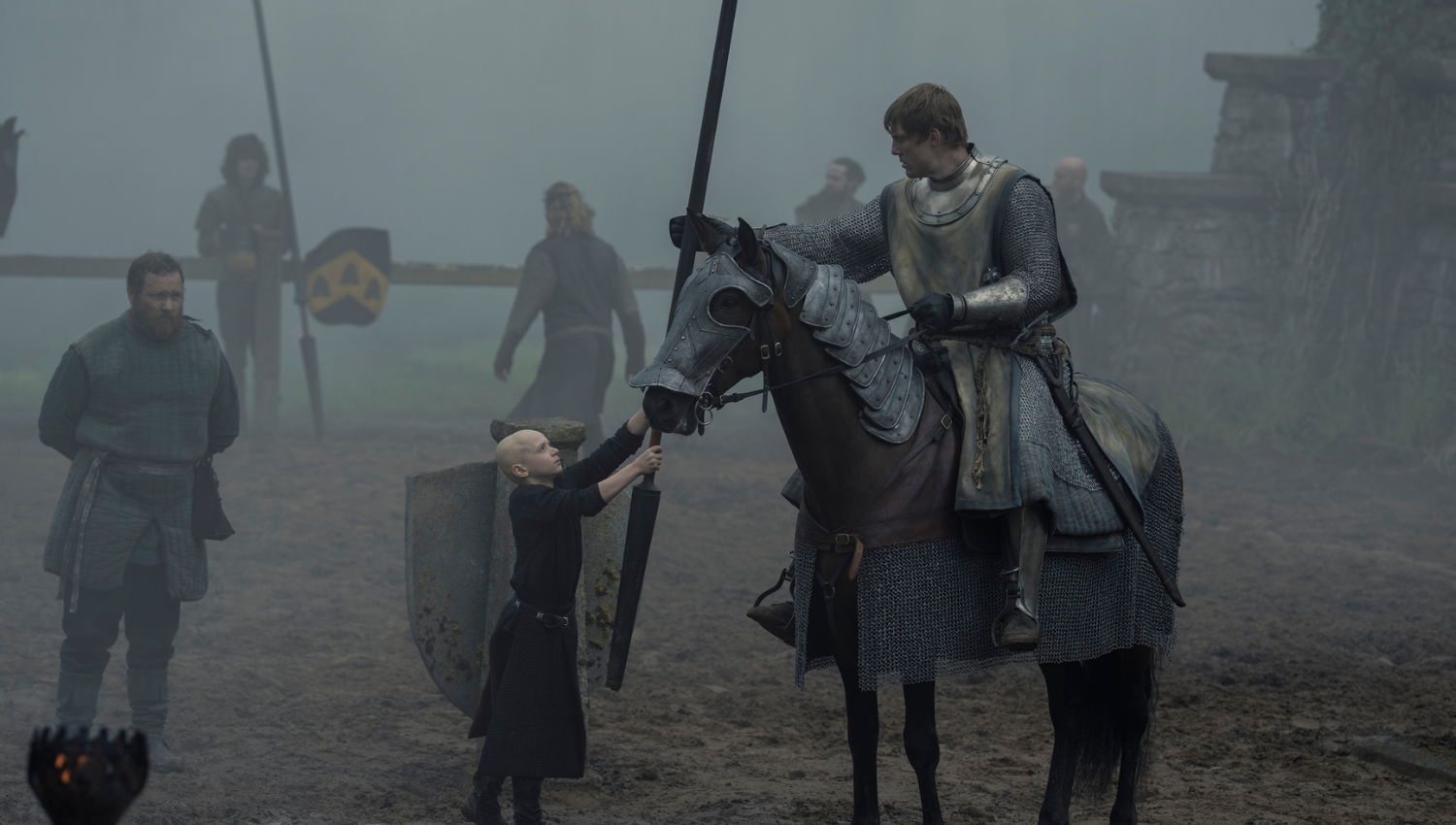
A Knight of the Seven Kingdoms
Dustin Chase
It was pretty savvy of HBO to debut a fresh “Game of Thrones” spinoff during the movie lull of the New Year. “A Knight of the Seven Kingdoms” marks the third of author George R.R. Martin’s works that has been adapted into a series. With “Game of Thrones” concluded and “House of the Dragon” about to debut its third season later this year, this latest 30-minute segment show is lighter fare compared to the others. More comedy, two very likable oddball leads, “A Knight of the Seven Kingdoms” occurs between the major events of the other two shows — think “A Knight’s Tale,” only “Thrones” style.
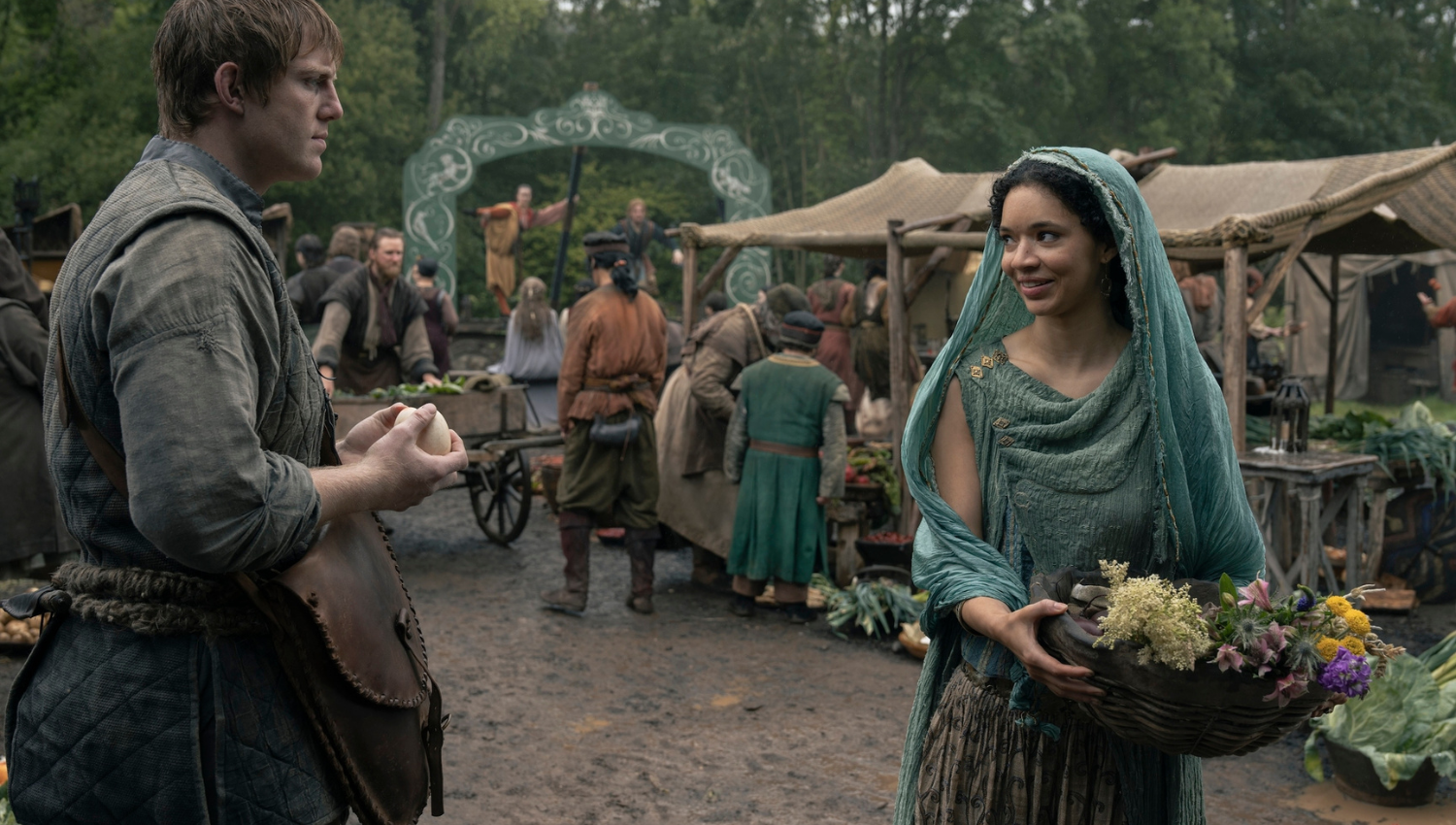
Episodes One (“The Hedge Knight”) and Two (“Hard Salt Beef”) serve as the usual introductory episodes, meeting characters and players and surveying the single location where this entire season will take place. Ser Duncan “Dunk” the Tall (Peter Claffey), a lower-ranking knight, if he is one at all, and his tiny and inexperienced squire “Egg” (Dexter Sol Ansell) have come to enter the jousting tournament. Duncan, a poor farmer with no armor, is clueless on protocols, while Egg knows and understands how the world works far more than his tall companion. The muddy outdoor festival introduces Duncan to colorful nobility, such as Lyonel Baratheon (Daniel Ings), and even to princes like Baelor Targaryen, Hand of the King (Bertie Carvel).
[Ansell] exudes the sort of acting quality we saw from Haley Joel Osment in “The Sixth Sense.
Episode Three (“The Squire”) is easily the best episode of the six, with an ending that will surprise viewers and encourage them that the series takes a big step forward. It’s the kind of turning point these shows do so well to get you invested. Dexter Sol Ansell (“The Hunger Games: The Ballad of Songbirds & Snakes”) really gets to shine in this episode. He exudes the sort of acting quality we saw from Haley Joel Osment in “The Sixth Sense.” Egg has all the spunk and determination “Thrones” fans will associate with Arya Stark. Peter Claffey (“Small Things Like These”) is so likable as the dopey wanna-be knight; even in slower character-building scenes, he elevates the material. The chemistry between the two lead actors lends itself to a medieval father-and-son dynamic at a sporting event.
Showrunner Ira Parker (who also worked on “House of the Dragon”) does a creative job of making this all feel cinematic and grand despite being grounded in a single location. No dragons, castles, ships, or big battle scenes, and yet the essence of what audiences loved about the shows (the characters and drama) is maintained on a smaller scale. Anytime the word “dream” or a fortune teller shows up with a vision, familiar audiences know to take note of those scenes. Episode Three is the bloodiest yet, balanced by also being the funniest. If you really want to see how well everything is put together, go back and rewatch the first two episodes after you see episode three, and you will be far more impressed with the added context.
Final Thought
HBO and George R.R. Martin continue to maintain a cinematic quality on television that rivals film.