
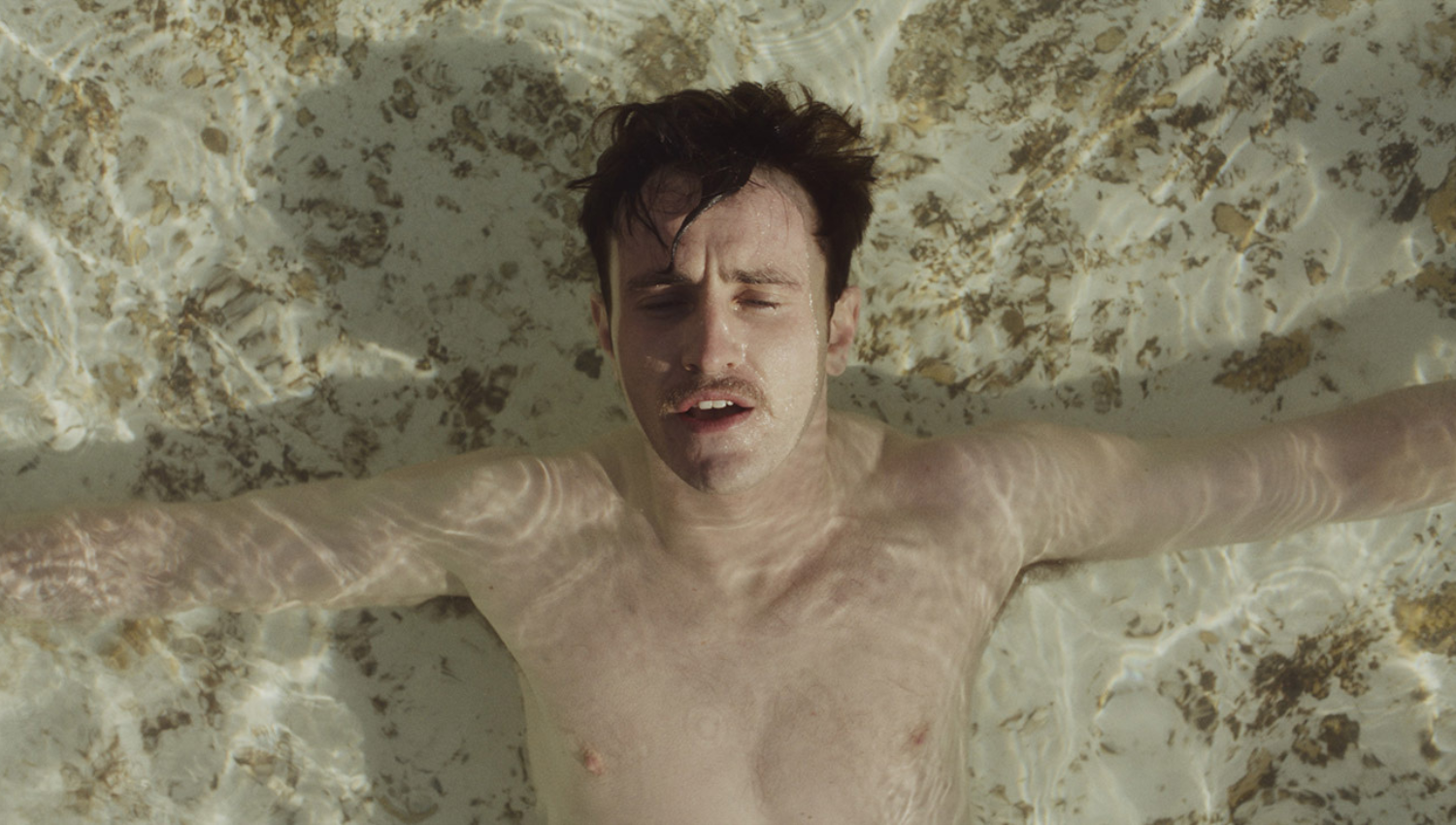
‘A Road Movie of Sound, Silence, and First Love’
Dustin Chase
Anthony Minghella’s “Cold Mountain” (2003) was a defining romance epic during my formative years studying film. An imperfect cinematic achievement to be sure, yet the Oscar-winning film captured fatalistic love on an intense level. In that film, Inman, the lead character, first notices the delicate Ada Monroe as she is playing a piano in the back of a wagon. It’s her music that draws the future-drafted soldier toward her. The parallels between Oliver Hermanus’ “The History of Sound” might not be so obvious unless you have watched and studied “Cold Mountain” more than the initial viewing. Folk music is integral in both films; here, it’s how the lead characters Lionel and David meet, over the piano.
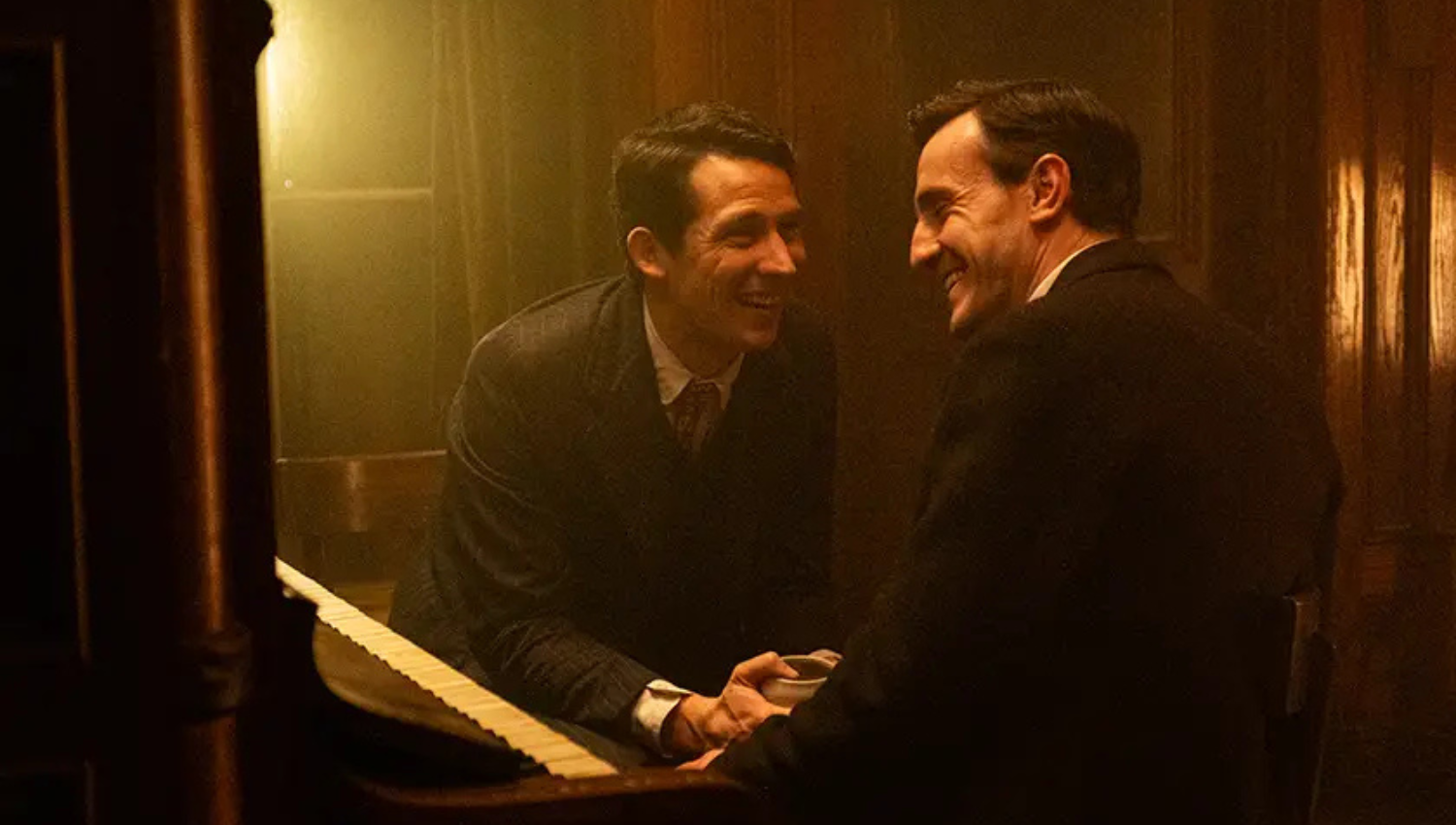
From an isolated farm in Kentucky to Boston on a scholarship in 1917, Lionel Worthing (Paul Mescal) was born with a divine understanding of music. “It never occurred to me that music was only sound.” His yearning to explore, share, and experience sound is amplified when he meets David White (Josh O’Connor). Their friendship evolves into a deeper, romantic bond until David is drafted to war. Upon his return, the two reunite and set out on an ambitious mission to record folk songs and stories of the people living in Maine. Lugging Edison’s new recording device and all their camping gear, they would embark on one of the most significant experiences of their lives.
Reactions to “The History of Sound” will likely depend on your own personal experiences with love and loss.
Sometimes films hit a bit too personal and cloud your judgment on whether it’s actually a good film or not. The reviews are and were mixed for “The History of Sound” out of Cannes, where it premiered. They were either totally wrecked by the emotional discourse of the film or dismissive of its use of subtlety and nuance. Reactions to “The History of Sound” will likely depend on your own personal experiences with love and loss. There is a scene at the end of the Maine trip, before the men go to the train station, where Mescal delivers one of his and maybe this year’s most quietly devastating looks and performances. However, you can only truly understand what’s happening in that restrained scene if you have felt something similar and the need to save face. Hermanus fills the film with these understated moments that could be infuriating for audiences who want clues and cues on what to think or feel.
Music or sound remains the connective tissue in this love story. From childhood to elder years, whatever Lionel is doing or experiencing, sound is attached to it. Both actors have the opportunity to sing in the film. Mescal (“Gladiator II,” “All of Us Strangers”) and O’Connor (“Challengers,” “God’s Own Country”) are no strangers provocative films or those centering around male romance. The direction Hermanus chooses here is an ambitious gamble. He doesn’t show us war time, and most of the intimacy happens off screen and even some moments you might not be entirely sure which events have taken place. This intentional move is to always put focus on the characters, especially Mescal’s delicate work as Lionel. Continuing his diverse and soulful work, Mescal demonstrates yet again why he is one of our most compelling actors on screen right now.
