
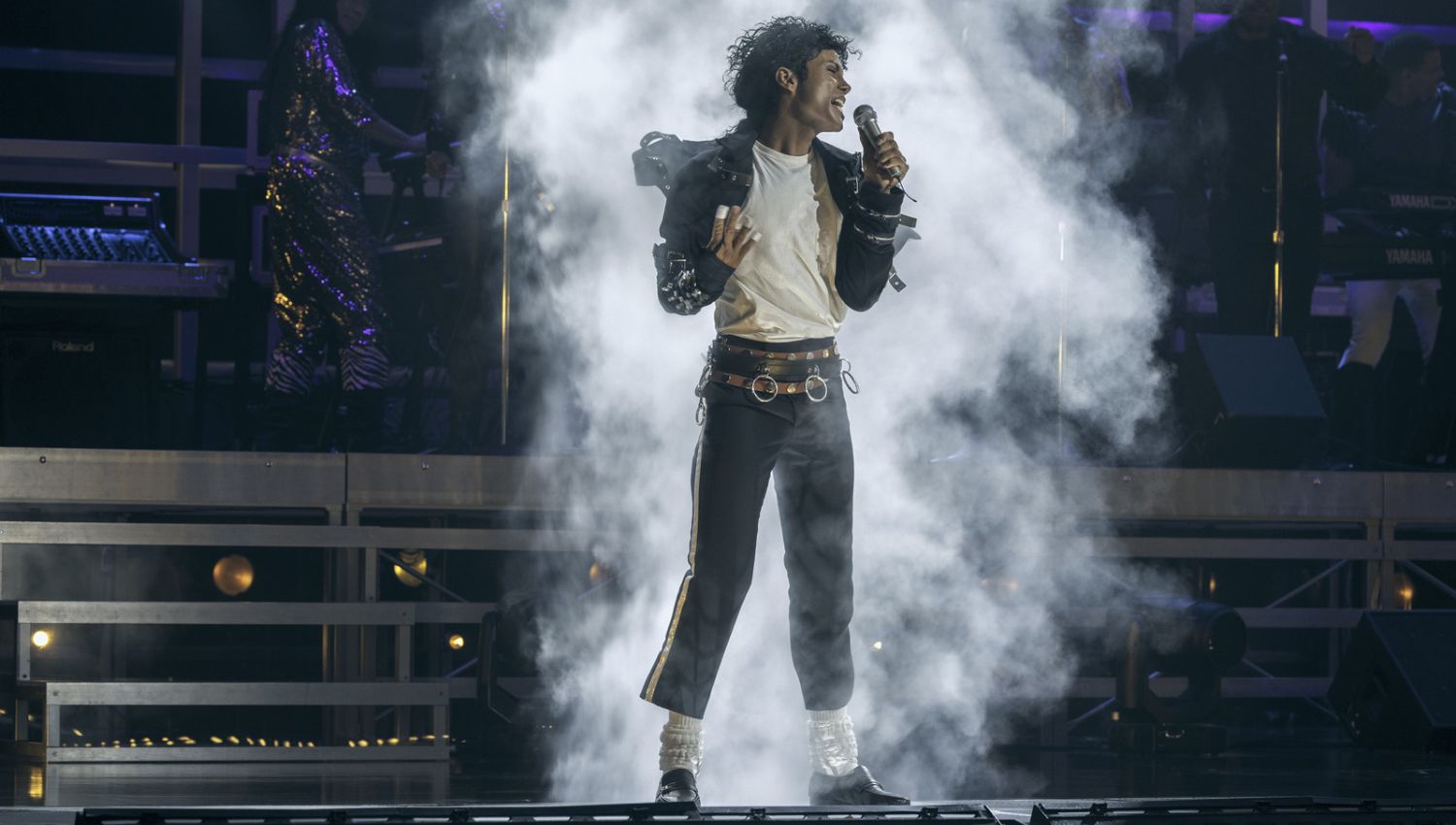
The first image of Michael is not childhood or trauma, but worship: a stage, a spotlight, and a crowd roaring for the King of Pop. Michael Jackson steps onto a concert stage, swallowed by light and deafening chants from fans who sound less like an audience and more like an approaching storm. Then the film cuts backward, fast and clean, to the beginning, as if to say that every moonwalk, sequined glove, scream, and tabloid headline grew from a child pushed toward history before he could understand its price.
That frame gives the film momentum. It also gives it a problem. Michael wants to explain the man, defend the artist, and package the legend in one polished biopic. At its best, it does what Ray did so well. It finds music inside discipline, trauma, hunger, and invention. Like Ray Charles in Taylor Hackford’s film, Michael Jackson becomes both prodigy and prisoner. The stage frees him. The business traps him. The family saves him, then wounds him.
Jaafar Jackson has the impossible assignment, and he meets it with a graceful seriousness. He does not merely imitate the angles, spins, and vocal lifts. He studies the shyness between them. His performance is strongest when it shows Michael listening: to producers, to brothers, to applause, to his own private terror. Those quiet moments make the bigger musical scenes matter.
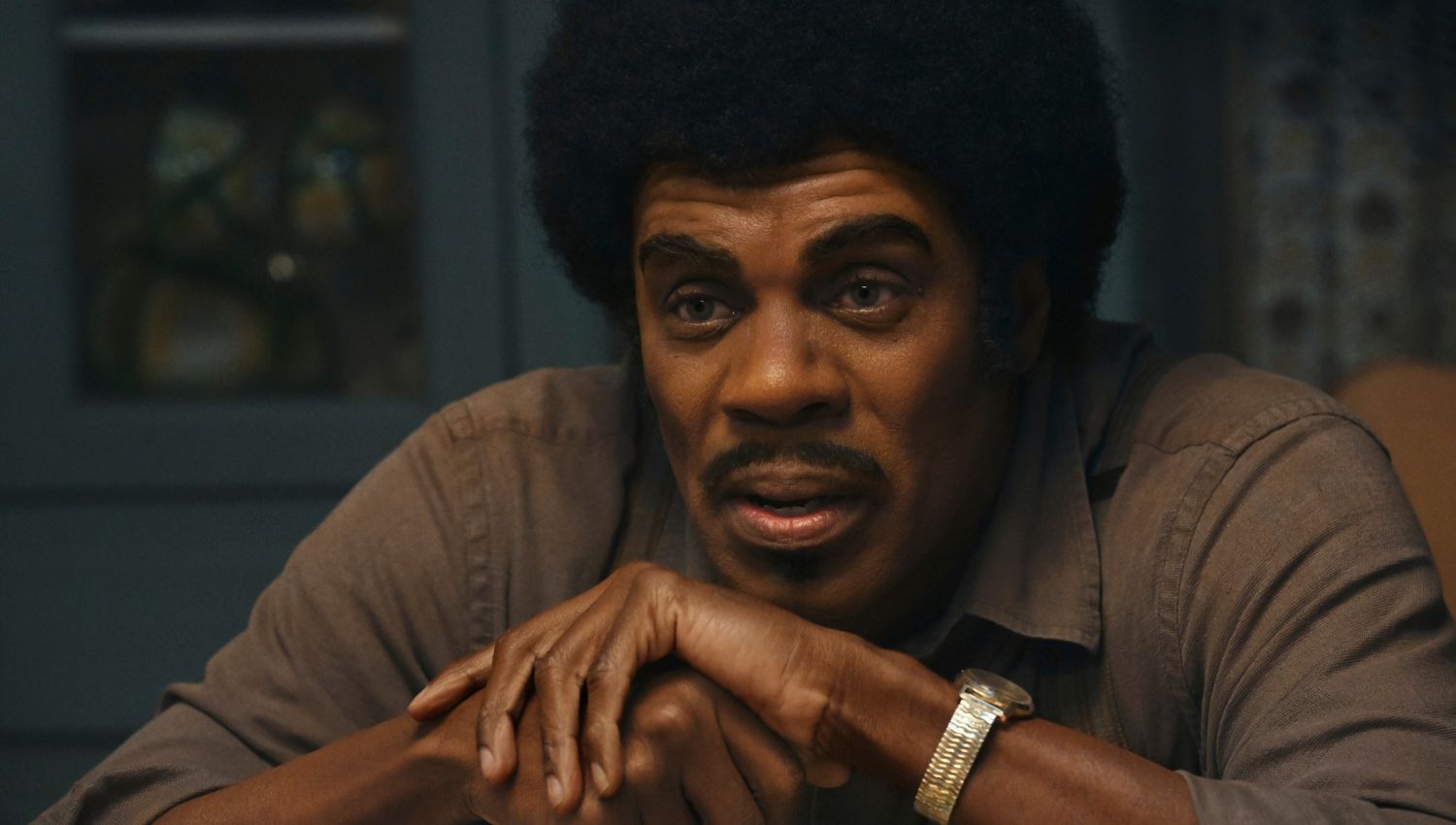
Colman Domingo’s Joseph Jackson could have been a blunt villain. The story almost invites it. Joseph is strict, heavy-handed, and abusive. Yet Domingo finds a harder truth. This father can be cruel and still believe he is building a future. He can frighten his children and still love them. More importantly, the family seems to know that love, even when it comes wrapped in fear. Domingo communicates that contradiction in limited screen time. That is acting, not mimicry.