

Star Trek: Starfleet Academy
James Brown
What arrives in the first season of “Star Trek: Starfleet Academy” is not a reinvention so much as a retreat. The series backs away from serious science fiction—the kind that once used strange worlds to stage moral argument, philosophical tension, and adult doubt—and replaces it with a glossy boarding-school melodrama full of rivalries, flirtations, confessions, and peril paced like a teen soap with phasers. The problem is not that “Star Trek” has turned youthful. Youth can be bracing. The problem is that “Starfleet Academy” mistakes youthfulness for simplification.
The old franchise, at its best, trusted young viewers by refusing to talk down to them. Gene Roddenberry’s “Star Trek” and much of the Rick Berman era assumed that even a teenager could follow a debate about duty, personhood, diplomacy, or the ethics of intervention. “Starfleet Academy,” by contrast, keeps ducking the hard stuff. Its emotional beats are underlined twice. Its villains are too legible. Its crises feel engineered to trigger reaction rather than reflection. The show does not ask adolescents to rise to its level; it stoops toward what executives appear to think adolescence looks like.
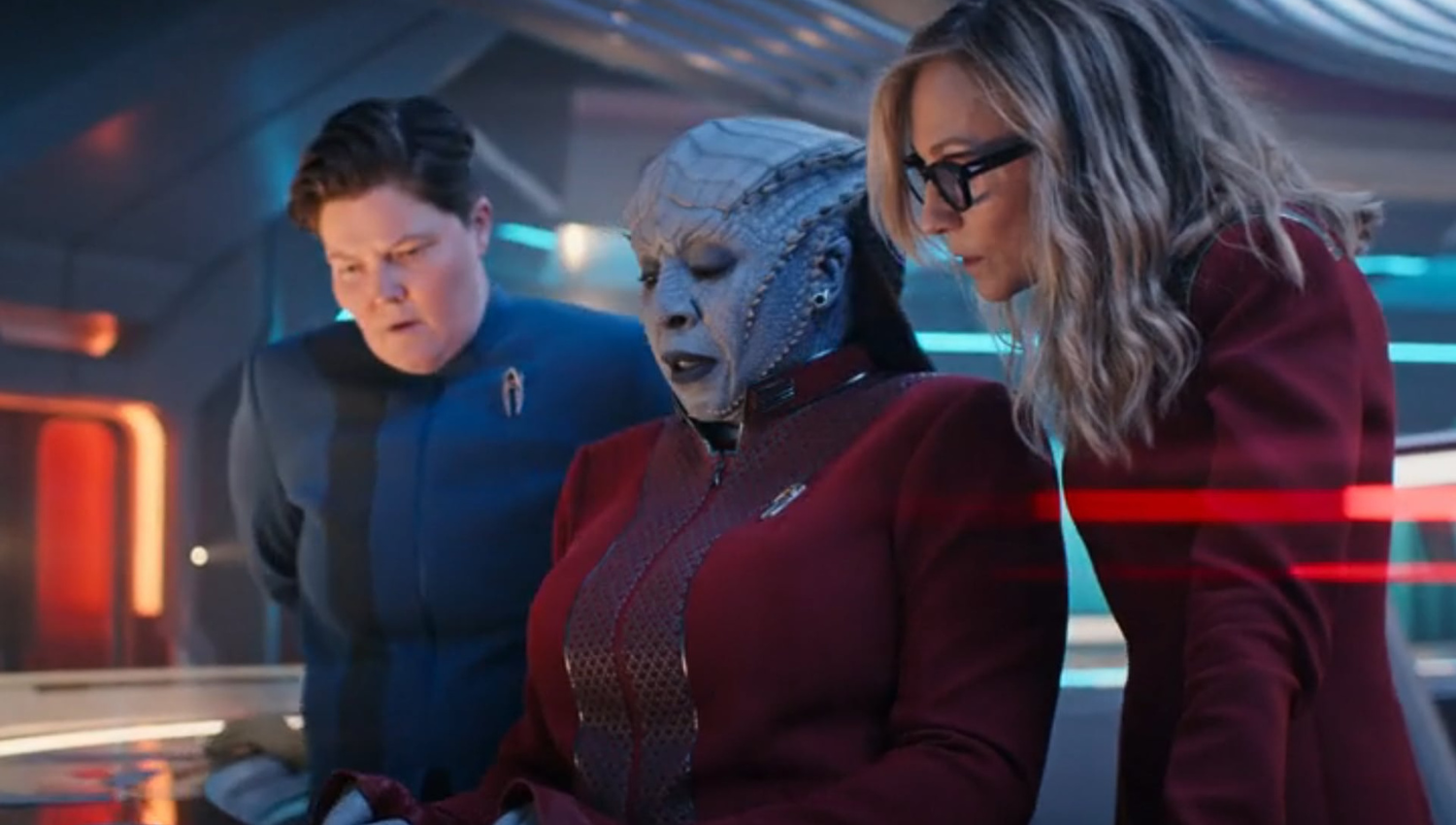
That miscalculation sits at the center of the season’s failure. A show seemingly designed to lure twelve-to-fourteen-year-olds still needs the one thing even children can detect instantly: plausibility. This season has energy, an embarrassingly high budget, and an eager cast. What it lacks is imaginative authority. It does not feel dangerous enough for adults, nor discovery-driven enough for younger viewers raised on faster, stranger, more confidently toned fantasy. It is forever explaining itself, forever signaling relevance, forever sanding down the sharper edges of reason.
‘Starfleet Academy’ wants desperately to be liked. Better ‘Star Trek’ has always wanted, first, to be believed.
The slickness becomes part of the issue. Corridors gleam, uniforms pop, reaction shots arrive on cue, and the score keeps insisting that every setback is formative. But texture is not depth. The Starfleet Academy should feel like the Federation’s intellectual forge. Too often, it feels like an expensive private school where earnestness substitutes for inquiry and sentiment crowds out realism.
There is, however, a path back. “Star Trek” does not need to become retro. It needs to recover its seriousness without losing modern momentum. Start with self-contained episodes built around real speculative ideas rather than season-long catastrophes. Put competent adults and exceptional cadets in moral conflict, not therapy-session banter. Return the franchise to a future where institutions, diplomacy, and exploration still matter at human scale. Hire science-fiction writers with a feel for paradox, not just franchise mechanics. Let wonder arrive through concepts, not noise. Let optimism be dramatized through conduct.
Most of all, stop treating “Star Trek” as content that must chase every contemporary trend. When the series premiered, the production notes described the costumes, complete with high school letter jackets and unisex skirts, as intended to feel “hip and cool” and to appeal to a young audience. Roddenberry and Berman understood something showrunners Alex Kurtzman and Noga Landau (“Nancy Drew,” “Tom Swift“) fail to grasp: the brand is strongest when it is calm, curious, literate, and uncool. “Starfleet Academy” wants desperately to be liked. Better “Star Trek” has always wanted, first, to be believed.
The Kurtzman team has taken a budget rumored to be higher than any season of Game of Thrones and a mostly impressive cast and created a show that no one watched, forever tarnished the jewel in Paramount’s IP crown, and run a culturally iconic franchise aground.
Final Thought
The Star Trek that nobody watched.