
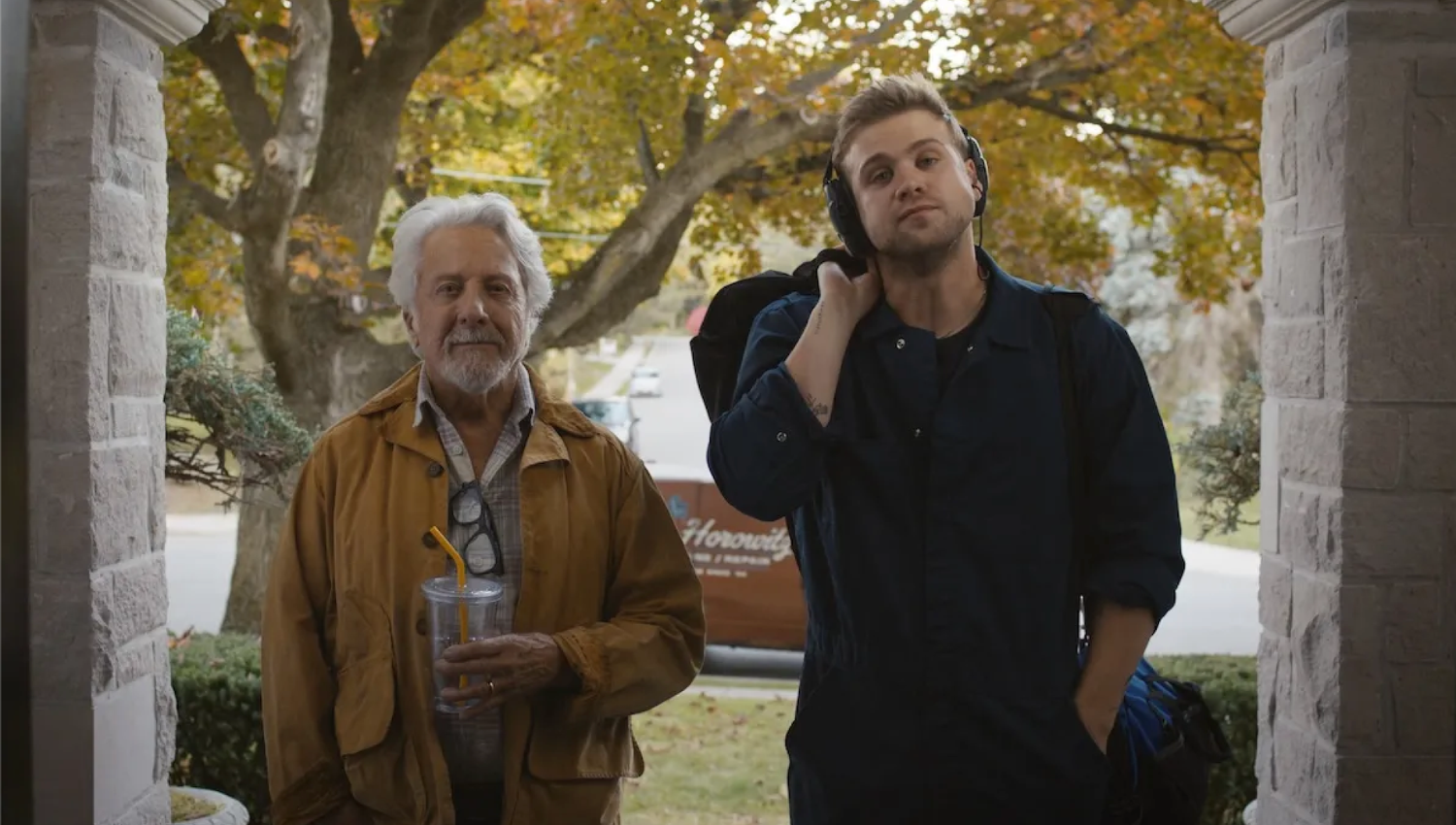
Not exactly a romance, comedy, thriller, or a heist film; “Tuner” is rather a dysfunctional hybrid when it comes to categorization. It’s in the grey area where director Daniel Roher’s film finds its flex. “Tuner” is also an opportunity for Leo Woodall (“Nuremberg,” “Bridget Jones Mad About the Boy”) to test leading role status, as prior film and television work has been supporting. Dustin Hoffman and his three and a half scenes give name recognition in case you’re unfamiliar with British Woodall. Roher lifts editing cues and sound design notes from the superior “Whiplash”. The screenplay and narrative beats are where “Tuner” is a bit off-key. The plot is generic, Woodall’s character isn’t.
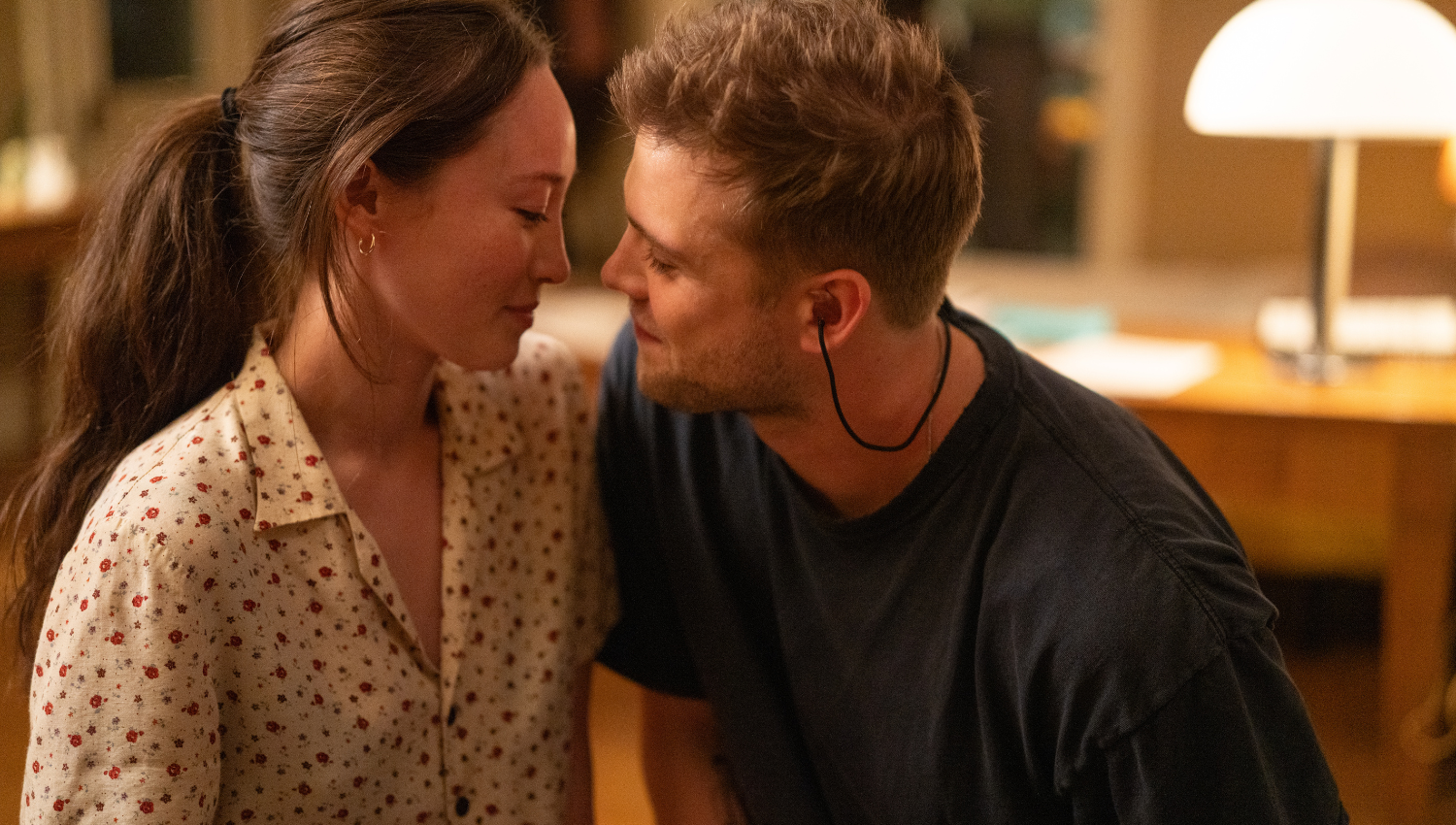
Havana Rose Liu as Ruthie and Leo Woodall as Niki in TUNER
Havana Rose Liu as Ruthie and Leo Woodall as Niki

Harry Horowitz (Hoffman) is one of New York’s oldest piano tuners. “He hasn’t raised his prices in twenty years,” his wife Marla (Tovah Feldshuh) scoffs. Harry’s arthritis, heart attacks, loss of hearing, and now early-onset dementia mean his apprentice, Niki White (Woodall), does all the actual tuning appointments. Harry rides along to feel useful.  Niki could have been one of the city’s best piano players, but he suffers from hyperacusis, which he likens to being allergic to noise.

When Hoffman is on screen, doing what he does best, there is an energy in the duality of the two men.

He always wears a medical device in his ears to dampen sound and additionally noise-canceling earphones when those aren’t enough. His disability, however, makes him an expert in tuning pianos and, as it turns out, unlocking safes.

There is a more entertaining and precise version of this story that Roher didn’t quite tap into. It’s largely an energy problem. When Hoffman is on screen, doing what he does best, there is an energy in the duality of the two men. Niki is quiet, reserved, and has low energy, and the film struggles to keep our attention in moments where it’s just Woodall. The actor who made a big splash in season two of “The White Lotus” is full of charisma; it’s more a problem with the writing and structure. The first time his character smiles, about an hour in, it feels like a breakthrough for him and us. While Niki’s hyperacusis is used as a big plot device, the film doesn’t do enough to educate the audience on the how, why, and process of this hearing disorder.

“It’s not about hearing, it’s about feeling,” Harry says at one point. “Tuner” doesn’t provide the audience with enough feels as it were. It’s not quite as smart a film as it pretends to be, but Woodall keeps us watching for the inevitable conclusion. “Tuning a piano is creating harmony out of chaos,” Niki explains. The film lacks a bit more chaos and nuance on the opposite side. “Tuner” is ultimately a satisfying film that plays it a bit too safe and generic to really stand out against more flashy film offerings.

Final Thought

Works better as a character drama than when it’s a heist film.

⭐⭐⭐⭐

Leave a Comment

Your email address will not be published. Required fields are marked *

This site uses Akismet to reduce spam. Learn how your comment data is processed.

Scroll to Top

Discover more from Texas Art & Film

Subscribe now to keep reading and get access to the full archive.

Continue reading