
Unabomber
Dustin Chase
Enough time has passed that which bombing in the 90’s new cycle belonged to Ted or Timothy has become a blur. The new film “Unabomber” serves as an unsolicited reminder of how an Harvard educated young man would grow into one of the FBI’s most wanted domestic terrorists. Director Janus Metz (“Andor”, “True Detective”) combines two stories into one. 1958 Where we meet young Theodore attending college while quietly rebelling against parents and society. 1996 where an FBI agent is closing in on the 53-year-old living as a recluse in a cabin. The past and present story lines attempt to paint a portrait of the “how and why”, focusing on one particular incident involving psychological experiments Theodore participated in during his time in Harvard.
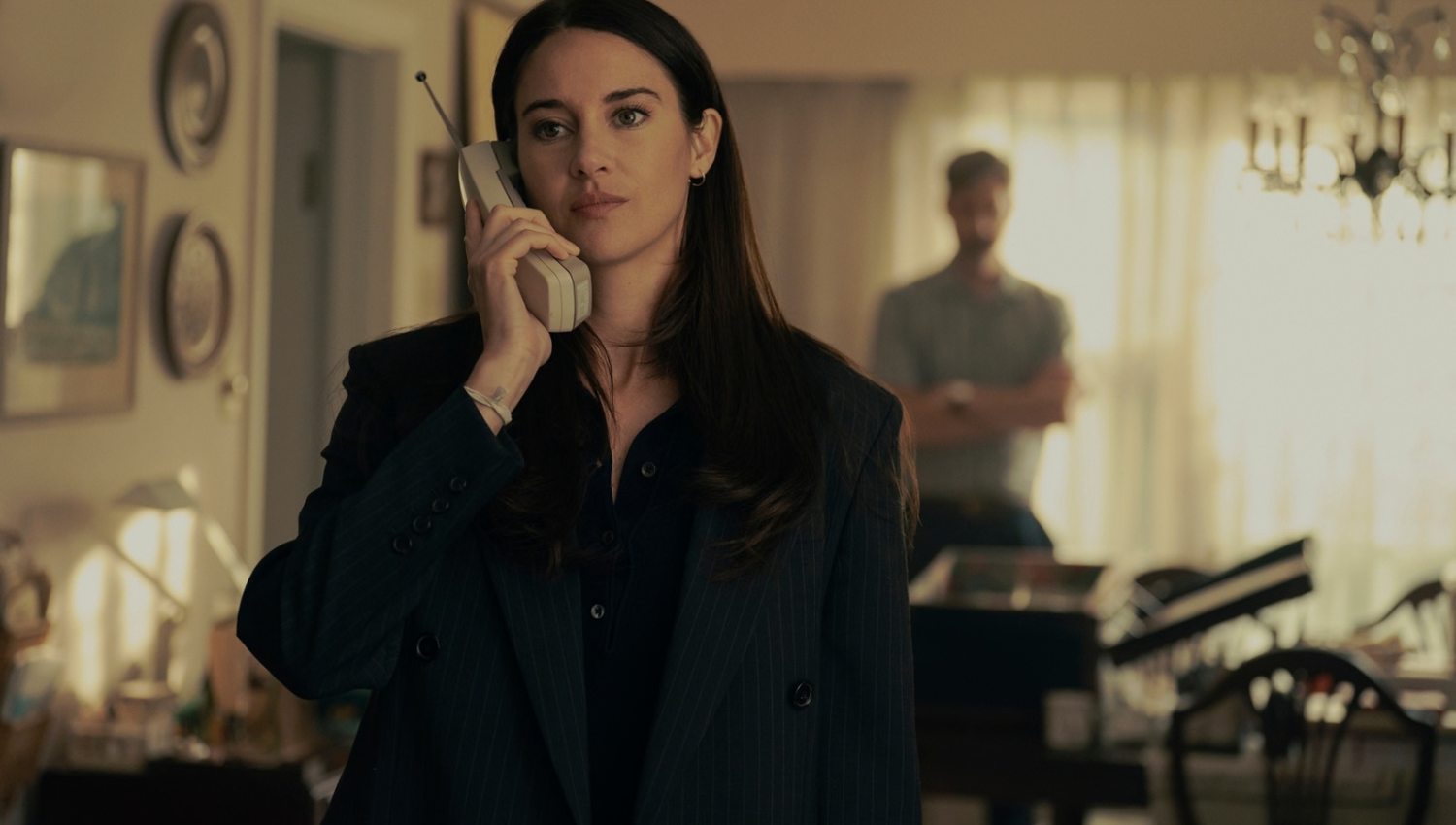
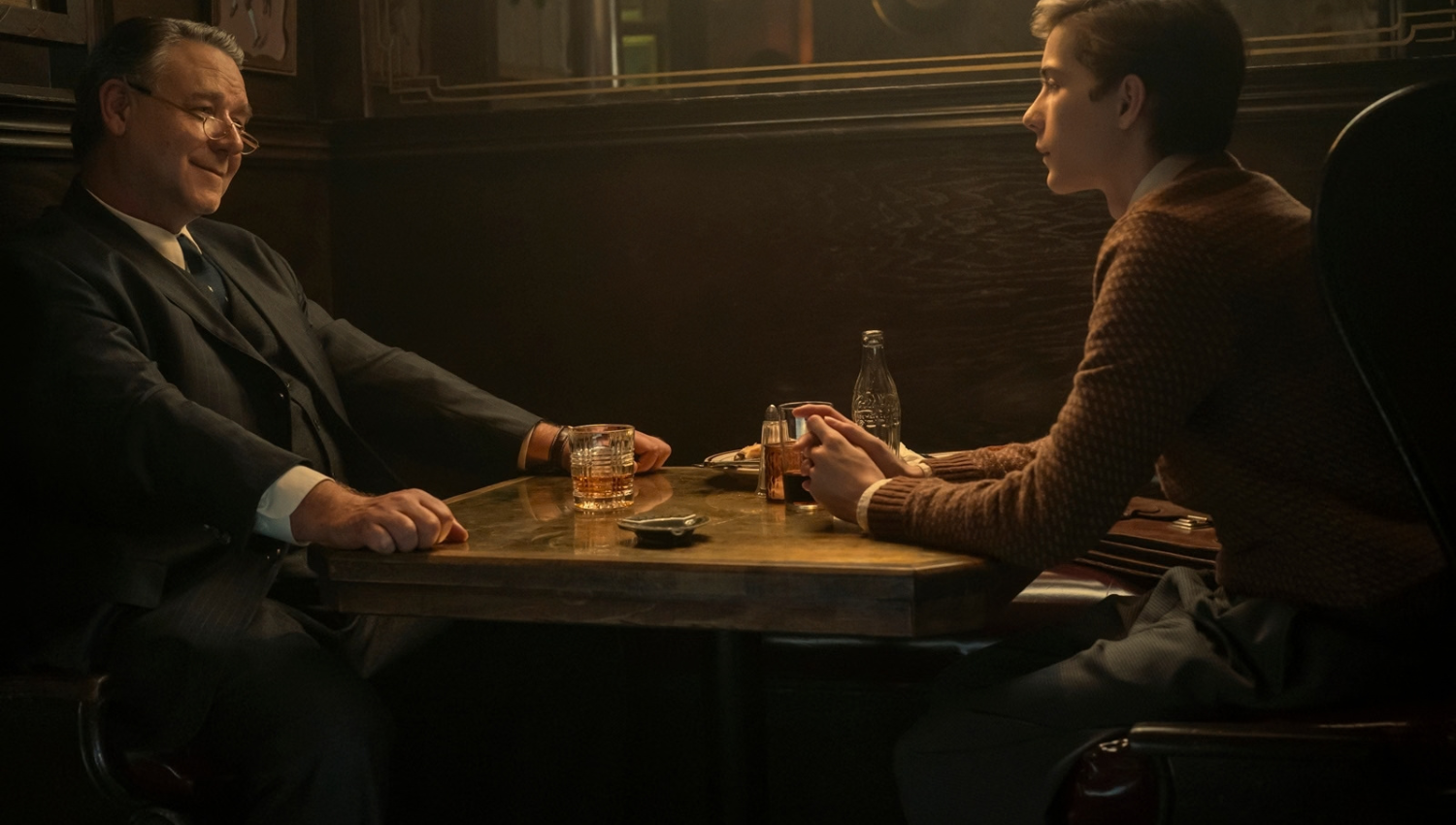
“Sometimes I feel like I don’t belong here,” a sixteen-year-old Theodore Kaczynski said. “I think there is something wrong with me.” Interested in studying philosophy, the ambitious student became associated with Professor Henry Murray (Russell Crowe), who practiced controversial psychoanalytical experiments on students. Murray’s experiment was intended to measure how people react under stress, meaning many of the tests pushed Theodore to become an entirely different person than when he started. Special Agent Joanne Miller (Shailene Woodley) insists the way to find and capture the Unabomber will be based on linguistics from his manifesto.
This not-so-beautiful-mind story never lands on a point.
He had murdered three people and injured 23, with enormous pressure on the FBI to conclude the longest and most expensive investigation in their history.
The push and pull between different eras doesn’t have the effect the film aims for. The editing and limitations of the performances relegate “Unabomber” to television, rather than a cinematic quality. Woodley’s part of the story is the suspenseful element. “Silence of the Lambs” influenced, putting herself in dangerous situations while trying to convince the macho personalities of the bureau, to take her assessment seriously. Jacob Tremblay (“Room”) and Crowe (“Gladiator”) function more in “A Beautiful Mind”, historical drama territory. The script simply isn’t expanded with enough character detail for Tremblay to dig deep into the character. The film unsuccessfully flirts with empathy for the future terrorist by the manipulation tactics he endured from Murray.
As far as regurgitating facts and dramatizing events that likely weren’t dramatic, “Unabomber” succeeds at keeping our interest. Oscar winner Crowe could perform this type of role in his sleep at this point in his career, but his presence does elevate the pedigree. This not-so-beautiful-mind story never lands on a point. What exactly is the audience supposed to feel or take away here? Is the discussion here supposed to be that if Murray had never met Ted we wouldn’t have had a Unabomber? Or that Theodore was born with violence and undiagnosed schizophrenia and would have happened no matter what? “Unabomber” is a surface level drama based on true events, created mostly because of the popularity in true crime stories and not because someone had a brilliant idea for a film.
Final Thought
More “true crime” fad than film.