
Highest 2 Lowest
James Brown
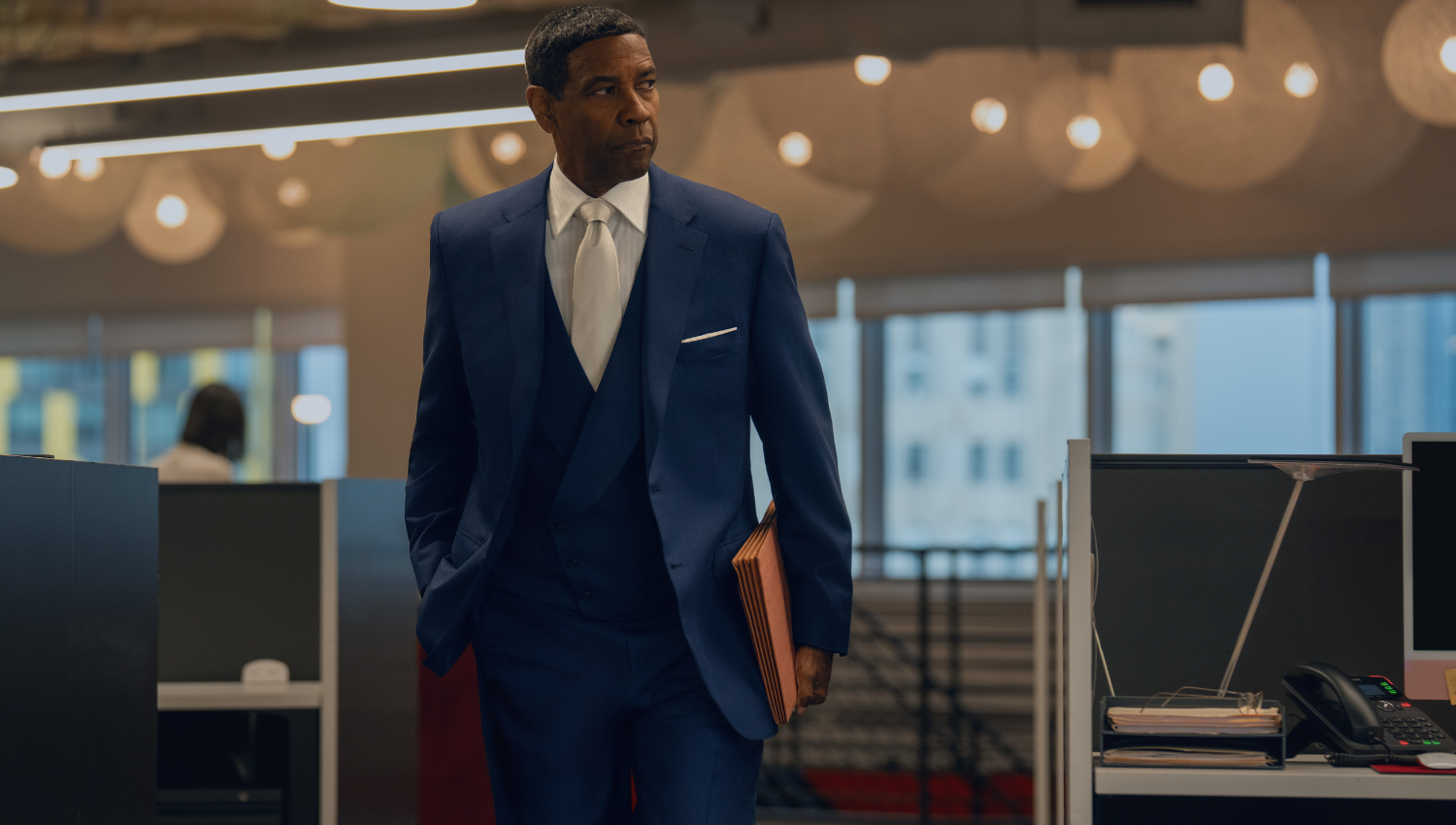
In Spike Lee’s “Highest 2 Lowest,” the city becomes a tuning fork for conscience. Denzel Washington plays David King, a mogul who built an empire one hit at a time, then wonders what it cost him to keep it. The plot clicks like a metronome: a kidnapping misfires, a ransom clock starts, and every choice resounds across boroughs that never stop humming. We enter a moral rehearsal where money, fame, and fatherhood share the same strained chord.
Lee stages the opening like a siren test—shrill, messy, almost parody. Then he recalibrates. Once the film settles into its middle movement, the filmmaking sharpens. Washington’s face does the quiet work. He listens with the whole body, like a producer hearing a bassline the room ignores. Jeffrey Wright, as a confidant with a conscience, cuts through sentiment with a scalpel, never a sledgehammer. The camera, handled with a dancer’s balance, favors New York’s steel angles and restless glow.
Based on the Akira Kurosawa classic, “High and Low,” “Highest 2 Lowest” is Lee in remix mode. He quotes Kurosawa without worshipping him, swapping boardrooms for studios, chauffeurs for friends, ransom briefcases for a Jordan backpack, police procedure for vigilantism. The subway sequence, a staccato motorcycle chase, carries the momentum of an album’s perfect side-A closer. It’s kinetic, but not empty. Every footfall lands on a decision. Music frames the stakes. A$AP Rocky’s charisma juices the film, not as stunt casting, but as texture—ambition caught on the mic.
Unnervingly, this film opens with a kidnapping that pretends to be tragic and ultimately feels like homework. King’s son disappears, and the city jolts, but the parents barely flinch. We wait for panic, that ragged, human tremor that makes drama breathe. Instead, we get posed concern, tidy blocking, and dialogue that sounds workshopped to death. The film insists on urgency; the actors never convince us it exists.
“The subway arrives. The tears never do.”
The distance grows in the first hour. Scenes that should bite arrive defanged. Ilfenesh Hadera (“Godfather of Harlem”), who plays Pam King, the mother of the kidnapped boy, speaks in declarative platitudes, offering us slogans rather than genuine grief. It’s not that the performers lack charisma; it’s that they lack conviction. They hit marks, not nerves, and you never believe that they genuinely feared losing their son forever.
Then the switch flips. The kidnapping shrinks into prologue, and the movie surrenders to velocity. The subway sequence is the showpiece: crisp geography, measured cutting, and thunderous momentum. You know where everyone stands, when they move, and why each choice matters. Trains scream, rails sing, and the choreography slices through confusion like a razor. Here, Lee remembers bodies in space and conflict on a timetable. The action is textbook.
The problem is that the textbook belongs in a different class. After an hour of shrugging emotion, competence registers as relief, not catharsis. The third act hums, but it hums alone, detached from the drab overture that leads there. You feel a director who spent his nights tuning the finale and his days skimming the rest.
I kept searching for the film Lee hinted at: a citywide parable about power, parenting, and the spectacle of fear. Instead, “Highest 2 Lowest” is competent, efficient, and hollow. The actors could have met the moment if the script had provided the tools. The dialogue never cuts to the bone, because it never gets near it. The Kings faced losing a child, and we lost a movie that might have mattered. The subway arrives. The tears never do.
Final Thought
Lee riffs on Kurosawa with nerve, not nostalgia, but a thrilling finale can’t redeem the hollow first hour.