
header-image

The Devil Wears Prada 2

Sequels usually arrive for one of two reasons: money or vanity. The Devil Wears Prada 2 has both on the rack, but it also has something rarer. It understands that the fantasy of magazine glamour has changed. In 2006, the first film sold ambition in glossy sheets. In 2026, ambition comes with layoffs, fractured attention spans, billionaire meddling, and the queasy knowledge that prestige is now a content strategy.

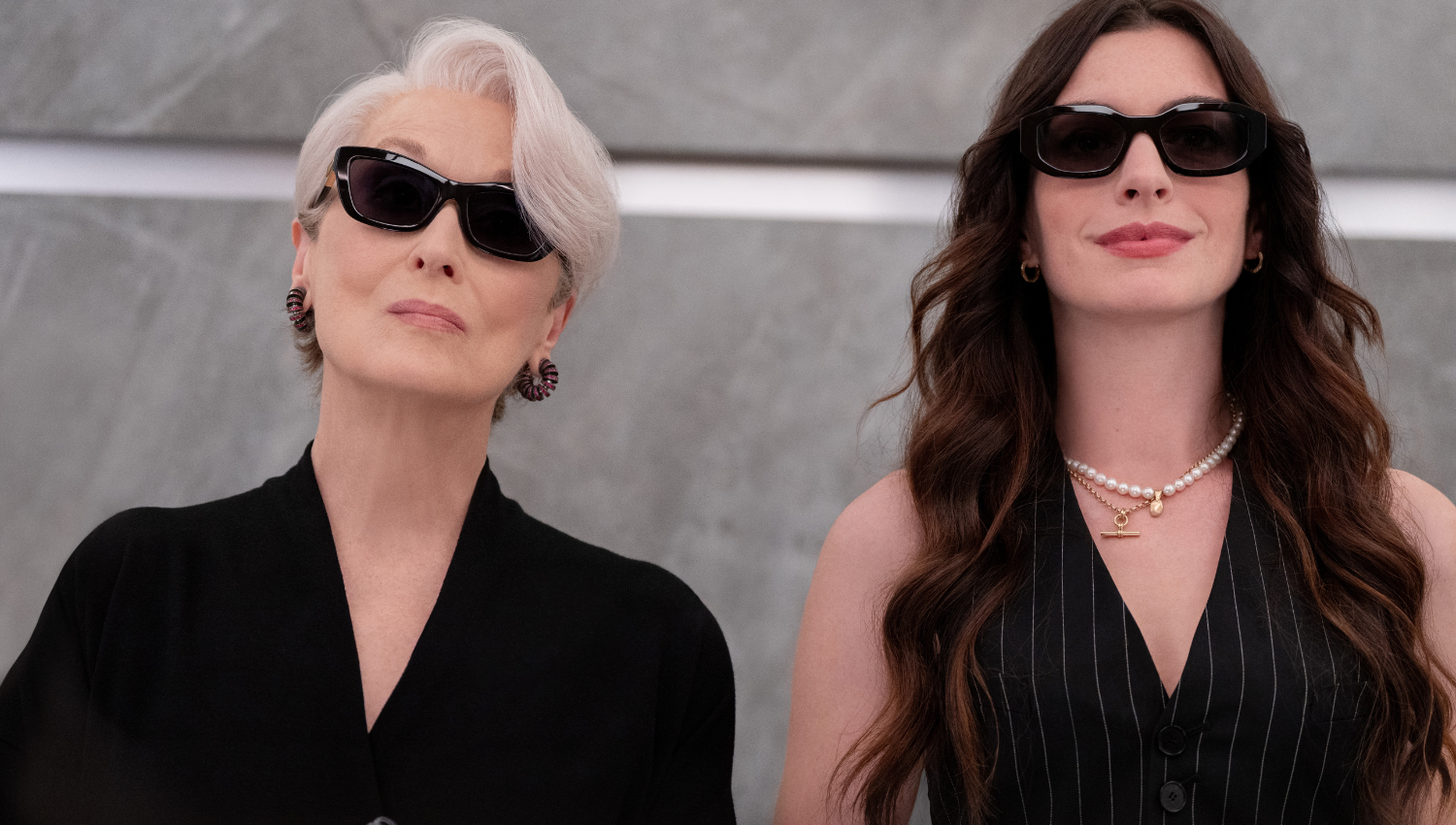
David Frankel, returning to the director’s chair, does not try to outdo the original so much as age into it. The film reunites Miranda Priestly, Andy Sachs, Emily Charlton, and Nigel in a fashion-media ecosystem that has traded old certainties for digital panic. Andy is back in the orbit of Runway, and that return gives the film its best tension: what does success look like when the dream factory is still beautiful but less believable?
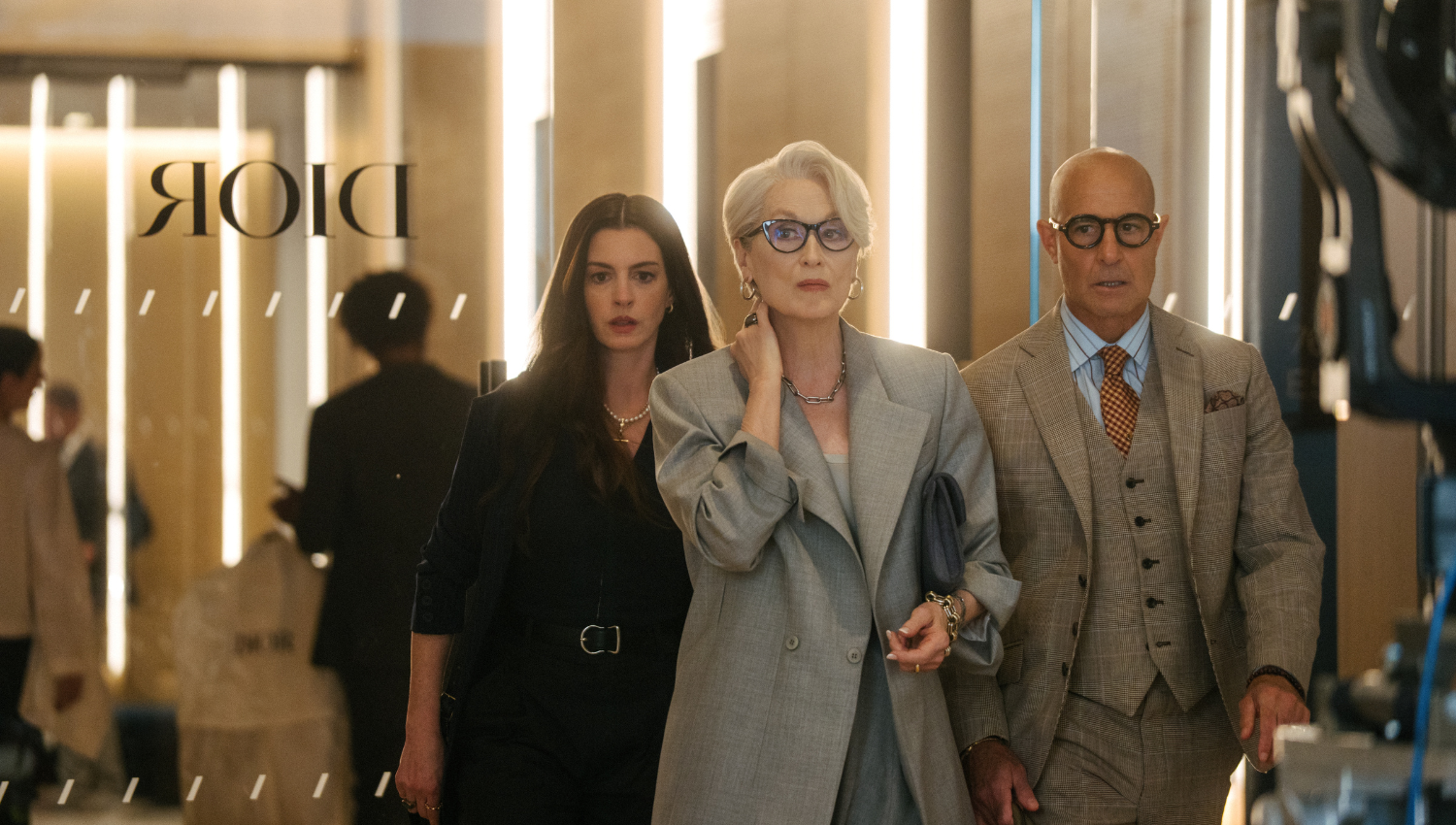
Anne Hathaway as Andy Sachs, Meryl Streep as Miranda Priestly and Stanley Tucci as Nigel Kipling in 20th Century Studios' THE DEVIL WEARS PRADA 2
Anne Hathaway as Andy Sachs, Meryl Streep as Miranda Priestly and Stanley Tucci as Nigel Kipling

Meryl Streep remains the main event. Miranda still speaks in clipped verdicts and immaculate cruelty, but the character now carries a whiff of institutional fragility. She is no longer just the weather. She is also a brand manager, a survivor, and maybe the last high priestess of a fading religion. Streep knows that power looks different when it has to negotiate. Her performance has less venom than before, but more intelligence. Miranda has not softened. She has adapted.

Even the weaker scenes remain watchable because somebody has entered the scene dressed for a cover shoot.

Anne Hathaway plays Andy with a steadier center this time. She is less dazzled, less defensive, and more interesting because of it. The film lets her look competent without making her dull, which is harder than it sounds. Emily Blunt, meanwhile, understands the assignment better than anyone. She turns Emily Charlton into the movie’s sharpest instrument, slicing through scenes with comic malice and executive poise. Stanley Tucci still knows how to make warmth feel sophisticated.

The clothes, of course, matter. They always mattered. Costume designer Molly Rogers treats wardrobe not as decoration but as argument. Every silhouette announces hierarchy, panic, aspiration, or revenge. Even the weaker scenes remain watchable because somebody has entered them dressed for a cover shoot. Recent coverage of the film’s design world has also noted its lush interiors and luxury surfaces, which help the movie preserve its tactile allure.

But the movie does not fully escape the trap that snags many legacy sequels. It wants to satirize modern media and still bathe in the privilege that made the first film such an intoxicating object. Sometimes that contradiction works. Sometimes it feels like a hedge. The plot eventually leans on rescue fantasies that are more convenient than convincing, and the ending tidies up tensions that the film had been smart enough to expose.

Still, The Devil Wears Prada 2 is witty, gorgeous, and more thoughtful than it needed to be. It knows nostalgia is not enough. It also knows that watching smart women in great clothes making bad people suffer remains one of cinema’s reliable pleasures.

Final Thought

The satire lands harder than the ending.

⭐⭐⭐

Leave a Comment

Your email address will not be published. Required fields are marked *

This site uses Akismet to reduce spam. Learn how your comment data is processed.

Scroll to Top